I’m a text book night owl – a complete nightmare in the morning, but wide awake and ready to party by 11pm at night.
Which actually worked well when I was a freelance magazine journalist, working and living in London; I preferred to work in the small hours as it was quieter and there were less distractions. After the girls were born I couldn’t start working until they were asleep, so that meant even more burning of the midnight oil.
(UntilI fell prey to the awfulness of chronic insomnia when, for six frustrating years, I wasn’t going to bed early OR late, because I wasn’t sleeping at all!)
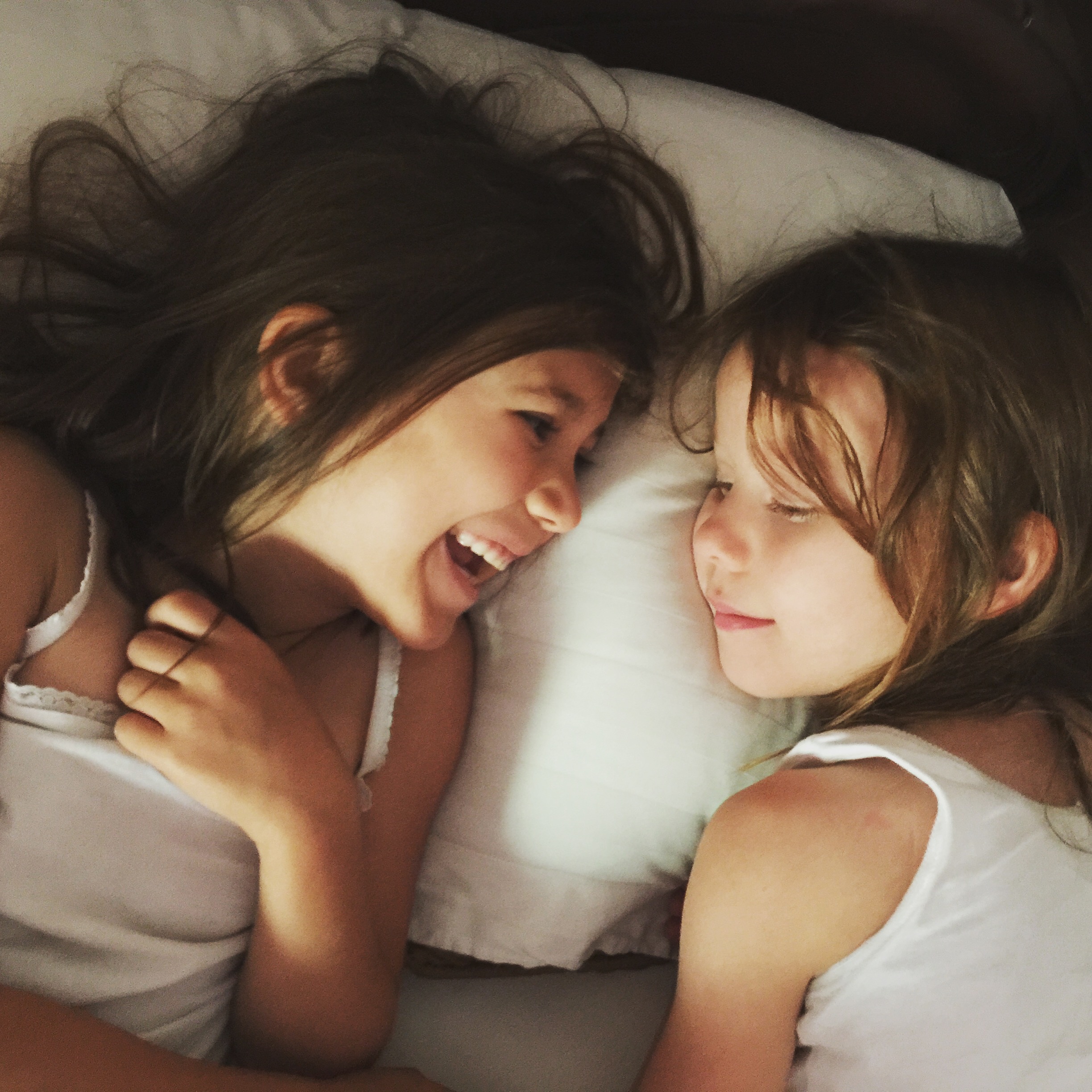
Big Sis totally takes after Mummy with her late night ways, which may also serve work out well for her in the long run, but at the moment it’s a bit of an issue because real life doesn’t fit conveniently around the sleeping patterns of a night owl – quite the opposite, in fact!
HOW MUCH SLEEP DO CHILDREN NEED?
Regardless of what time she finally gives in to slumber, seven-year-old Big Sis still has to get up at 7.10 with the rest of us so we have plenty of time to have breakfast and get dressed before leaving for school. According to NHS guidelines, kids aged between six and 12 should be getting between nine and 12 hours of sleep every night (preferably consecutive, so they get the full cycle of sleep) which means she should be in the Land of Nod by 8.40pm.
Which would be pretty spot on, since she goes to bed around 8.30… except she doesn’t go to sleep. She sings, and makes shadow puppets on the walls, and writes love notes to the tooth fairy and tries to sneakily watch the iPad under the covers.
And then I go into my usual routine; asking nicely, cajoling, bribing, getting annoyed, then – finally – issuing threats.
It’s not just the fact she’ll have a face like thunder the next morning at brekkie that bothers me, more the fact that the consistent lack of quality deep sleep – when brain waves slow right down – could actually have a physical effect on her, as this is the time when the immune system is strengthened, and human growth hormone is released to make children’s organs, muscles and bones grow.
In addition to this, bedtime is when your brain goes into overdrive, stimulating cell regeneration, processing emotions and storing memories. And don’t even get me started on the bad behaviour that starts to creep in if she hasn’t had a good solid night’s sleep – picking fights with her sister, getting snippy with me, collapsing into floods of tears for no reason.
I’ve tried to counterbalance Big Sis’s Night Owl nature by making bedtime as pleasant as possible – we’ve invested in good mattresses and comfy bedding for both girls; they’ve had Disney night lights and musical projectors to stave off the shadow monsters and CD players to listen to meditation audiobooks.
If there’s one thing I’ve learned with my own sleep battle, it’s that if it works for you, it works for you – regardless of how weird it may seem to anyone else. So if you find it easier to fall asleep when you’re upside down, half hanging off your bed while wearing a beanie, do it. Big Sis goes through stages of dragging her duvet on to the landing where she sleeps like an absolute baby (I’ve tripped over her at least a dozen times!).
Finger crossed, we’ll continue to have sweet dreams.

If you enjoyed reading ‘How Much Sleep do Children Need?’, try My Kids Sleep in Some Weird-Ass Places